Real Maine and the Maine Department of Agriculture, Conservation and Forestry celebrate the women shaping our state’s agriculture today and inspiring the next generation. We are proud that 2026 has been proclaimed as the Year of the Woman Farmer in Maine. Throughout the year, we have received dozens of nominations for women farmers, agricultural leaders, or young women making an impact to highlight. We have spotlighted, and will continue to spotlight, many of those nominated on social media. We have reached out to some of those who have been highlighted to hear a little more from them.
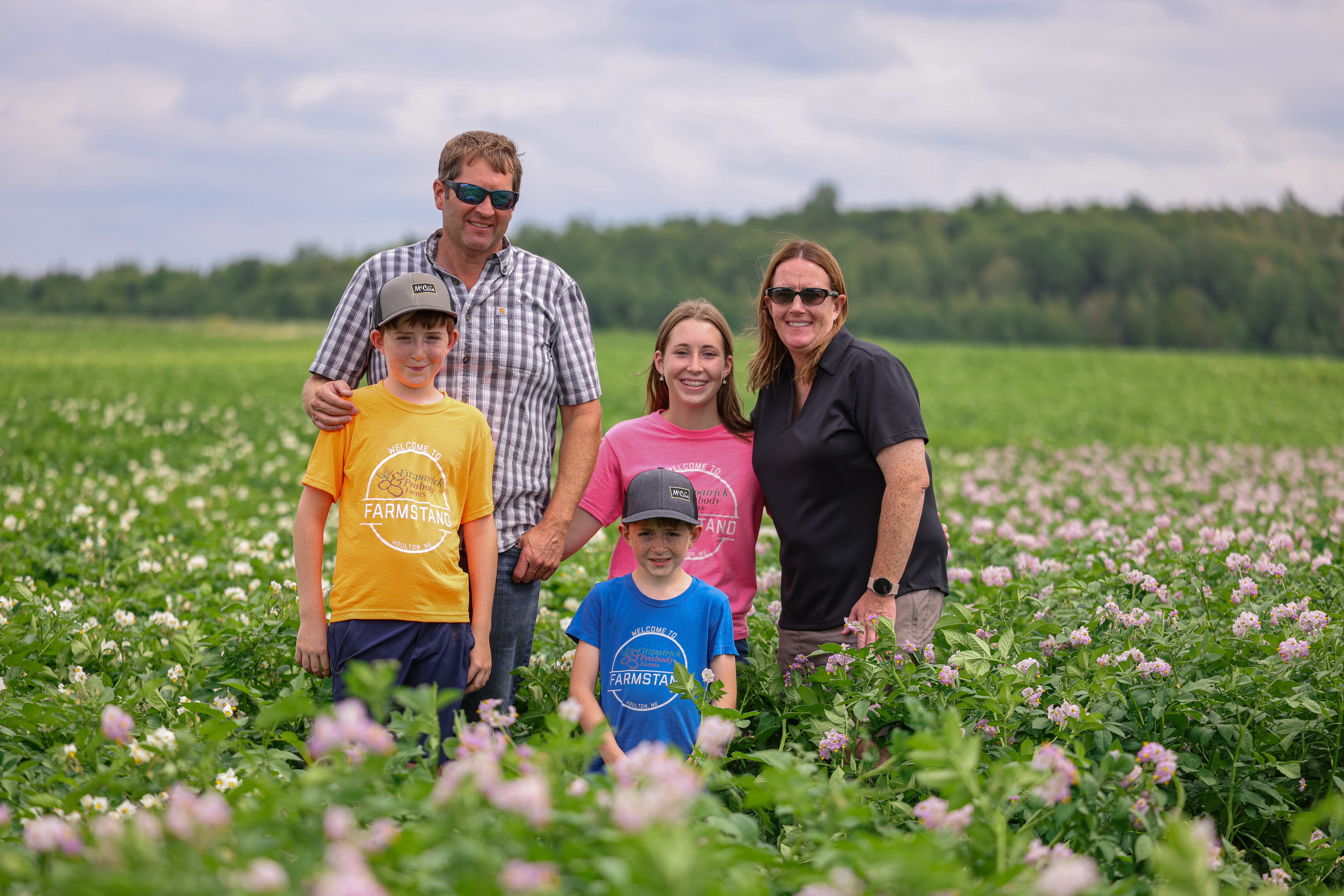
Erica Peabody grew up on a potato farm in southern Aroostook County. She planted her first garden when she was nine years old. She said her “first job on the potato harvester at eleven years old paid $1 per hour,” and that first week, she earned $36, which “she was thrilled about.” In high school, she worked for her family in their greenhouse and grain business. After high school, she pursued a bachelor’s degree in horticulture with minors in biology, botany, and plant science. She earned a master’s degree in plant pathology. After graduate school, she worked as a corporate agronomist for 12 years, “and loved it,” but her heart was in full-time farming, and she returned to the family farm. She and her husband, Barrett, farm with her father, Albert.
What have you learned from other women who work in agriculture?
From other women in our community, I have witnessed their true love and dedication to agriculture. Their involvement may be through education or other avenues, but it has impacted me. There are some hard days and times in agriculture. We are at the mercy of the weather, markets, and many other factors that are often beyond our control. I have watched these women from farm families be resilient and keep the faith that it will get better.
What is something people in Maine may not know about working in agriculture in the state?
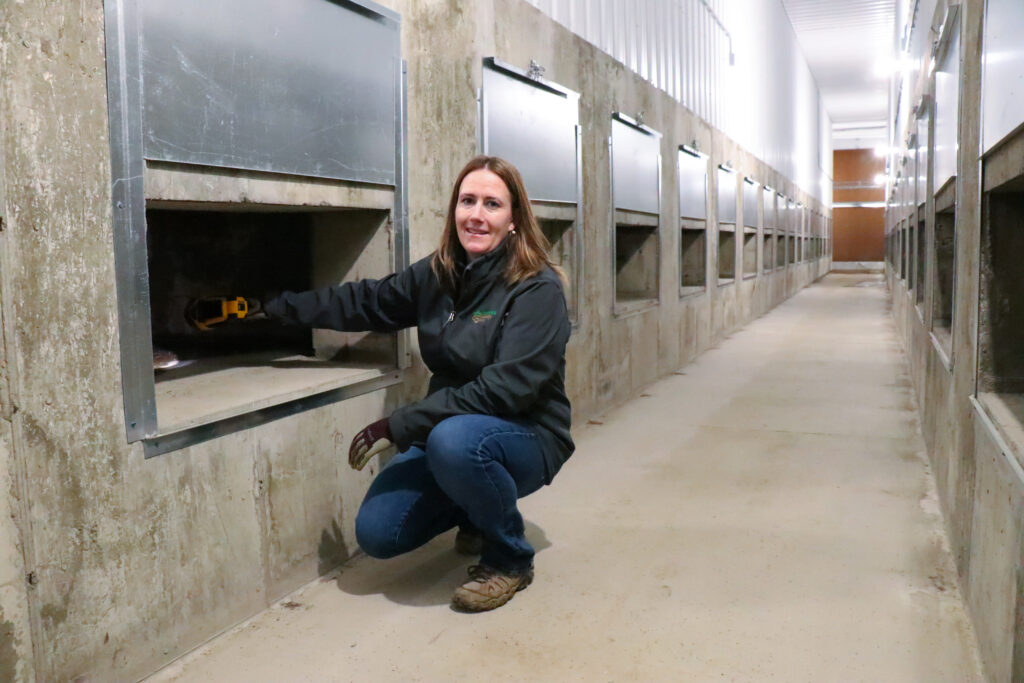
I have wondered if the people of Maine realize the sophistication of the potato industry and other agriculture in our state. Potatoes are the number one agricultural crop in Maine, which generates tremendous economic benefit statewide. Potato growers are great stewards of the land, focusing on soil health and crop rotations. Potato farmers are utilizing the latest technologies to use our resources most efficiently and effectively in growing and storing crops.
I believe that Maine farmers are very supportive of each other, which makes agriculture in our state stronger.
Erica Peabody
What does being a part of Maine’s food system mean to you?
We are very fortunate to live in a state that allows us tremendous access to fresh food. Much of Maine’s population can produce some of their own food on a small scale. Maine is rural, which allows many individuals that are not part of commercial agriculture to grow their own gardens in the backyard or fish and hunt. Maine is incredibly rich in natural resources, from land to water, which provides tremendous opportunities for those living and working in Maine. I believe that Maine farmers are very supportive of each other, which makes agriculture in our state stronger.
What would you say, or what advice would you give, to a young woman aspiring to build a life/career in agriculture?
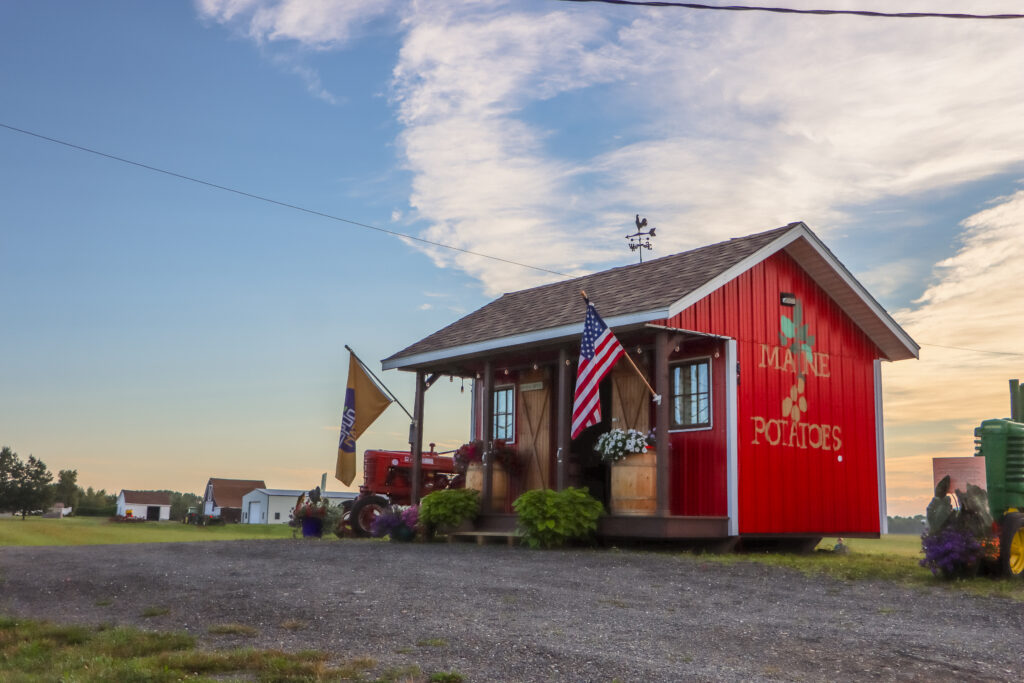
More and more women are involved with agriculture on many levels, which is great. I believe that women have always played an important role on the farm by holding down the home and family while farmers work in acres, rather than hours. Balancing family and the demands of agriculture can be challenging; agriculture often requires many more hours than traditional professions. If your heart is in agriculture, you will never feel like you work a day in your life. It may not always be easy, but you will enjoy what you do.