Real Maine and the Maine Department of Agriculture, Conservation and Forestry celebrate the women shaping our state’s agriculture today and inspiring the next generation. We are proud that 2026 has been proclaimed as the Year of the Woman Farmer in Maine. Throughout the year, we have received dozens of nominations for women farmers, agricultural leaders, or young women making an impact to highlight. We have spotlighted, and will continue to spotlight, many of those nominated on social media. We have reached out to some of those who have been highlighted to hear a little more from them.
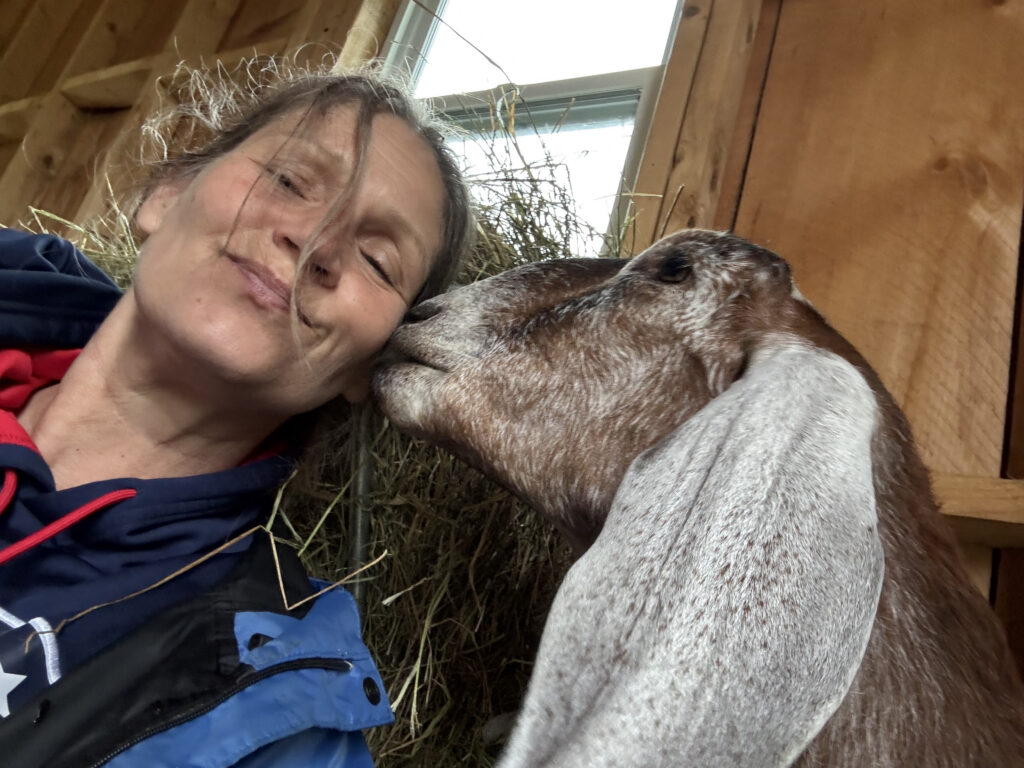
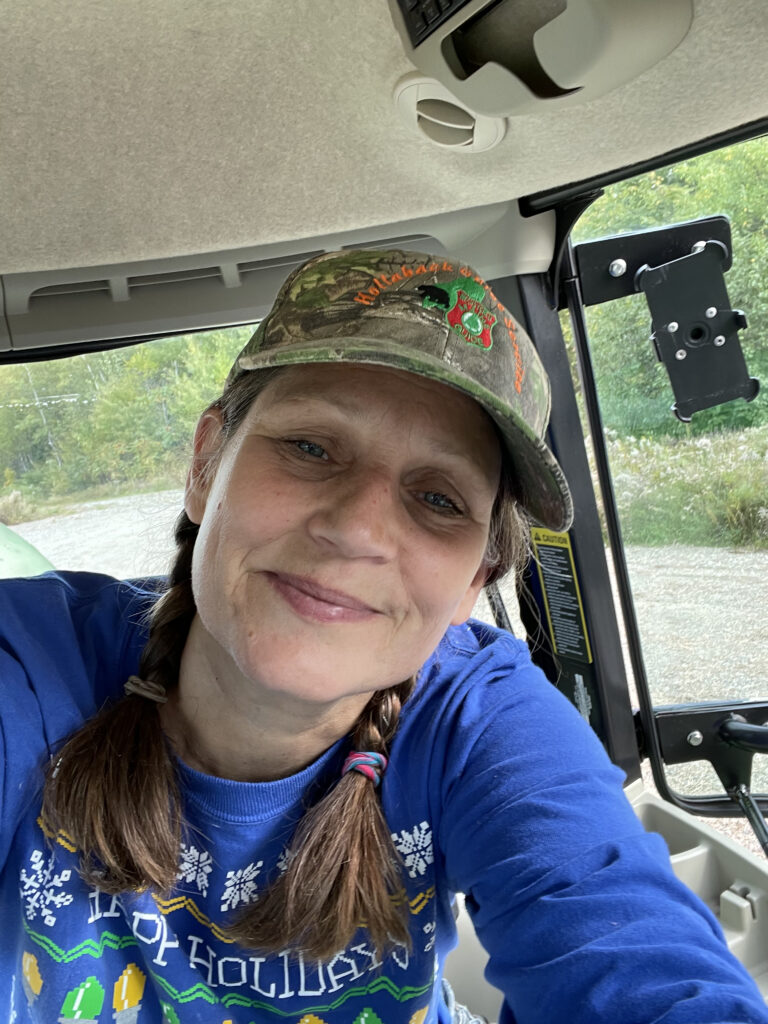
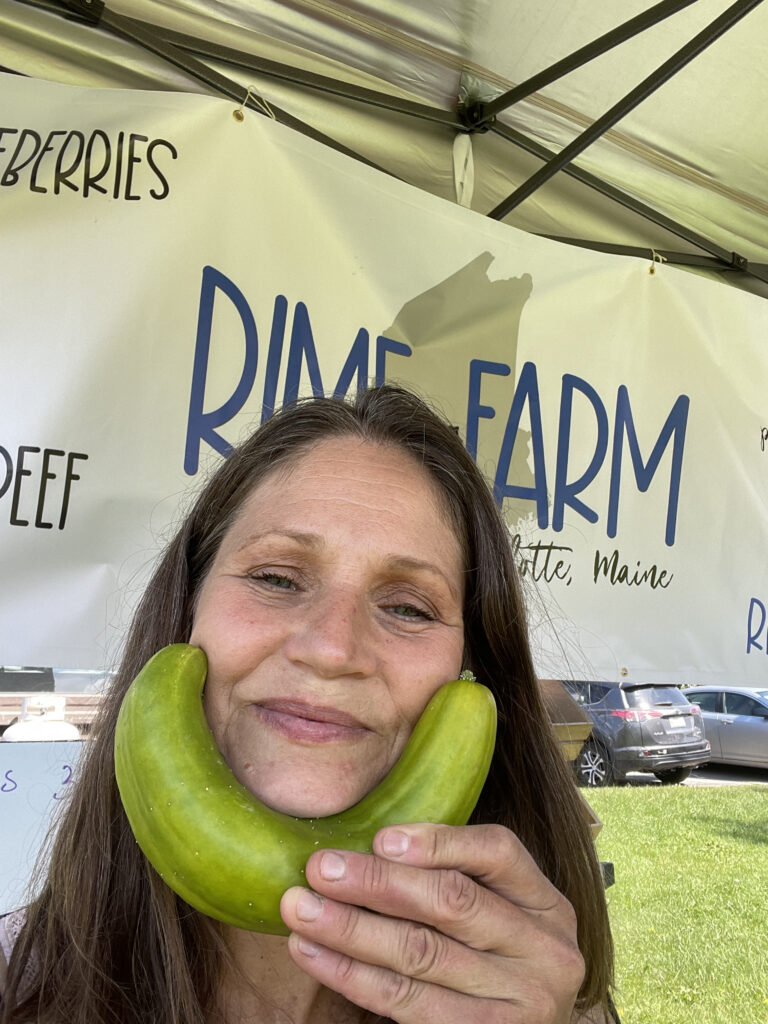
Lisa Dereszewski grew up in Princeton, Maine, and her family’s connection to the land spans multiple generations. She said, “Growing food was always very much a part of our daily lives.” Four generations of women in her family canned and jarred in her grandmother’s kitchen. Her great-grandparents had draft horses they used for plowing. Other family members raised beef and dairy cows, hogs, and chickens. She said she didn’t start her own farm “until much later in life,” as she built a career in public education and emergency management. But she “always felt pulled back to Maine and food production.” In 2018, she and her husband started Rime Farm (short for Rime Nor Reason Farm).
What have you learned from other women who work in agriculture?
Some of the women I’m closest to also happen to be farmers, so I’ve had the privilege of learning with and from women who live this life every day. My best friend, Ronda Cobb of Water’s Edge Farm in Princeton, is one of the strongest farmers I know. She is thrifty, capable, deeply knowledgeable, and incredibly hardworking. Watching her has taught me so much about what it really means to build a life around agriculture. Diane Brown of Brown Family Farm and Laura Flannery of Blue Ox Blueberries are neighbors and incredibly knowledgeable and generous. I’m literally surrounded by amazing women farmers who are always willing to help each other out.
I’ve also learned that women in agriculture do far more than people see and that there’s no single right way to accomplish the work. Some women come from generations of farm families. Some start later in life. Some farm full-time, others farm while also working another job (or two, in my case). Most women farmers I know have built their farms around children, off-farm work, health issues, and other responsibilities. That kind of diversity equals strength.
The biggest lesson I’ve learned from other women is resilience. You have to keep going when the weather is bad, when the numbers are tight, when an animal is sick, when the equipment breaks, when you’re tired, and when the work still needs to be done. Just don’t give up.
What is something people in Maine may not know about working in agriculture in the state?
People know farming is hard, but I don’t think many realize just how complex it can be. Operating a small farm in Maine means learning the agricultural ecosystem here. You have to figure out who can help with what, which resources are actually available, and how to keep moving forward when you’re stuck.
Then there’s the concrete side: water, electricity, fencing, processing, food safety, insurance, bookkeeping, equipment repair, customer service, and more. I wish it were as simple as feeding and watering animals, because that’s the part I love and the part I still romanticize. I’d happily spend more time in the barn and less time chasing paperwork. The reality is that small farms are also small businesses and it’s like one giant, continuous infrastructure project.
In rural areas like Washington County, geography impacts agriculture more than anything else. We’re a long haul from USDA-inspected processors, suppliers, veterinary services, and new markets. That means a simple fix somewhere else is a major issue here. If you need a tractor part, a late-night vet visit, a processor, or more wholesale opportunities, time and space make decisions for you. Sometimes, you don’t like the outcomes because it wasn’t your first choice.
On the flip side, we learn to be resourceful. We’re farming with a very short growing season, high input costs, changing weather, and a lot of infrastructure that needs constant repair from wear and tear. Maine farmers make things work in spite of these barriers. It takes a little skill, a lot of stubbornness, networking, and daily problem-solving.
What does being a part of Maine’s food system mean to you?
I think local food is still treated too much like a luxury. That needs to change. Local food has real value, and farmers need fair pay, but farming also has to help us care for each other. Every dozen eggs, every CSA share, every pound of meat or bag of vegetables, and every relationship should be part of a larger network that helps keep people connected and fed.
So, I see being part of Maine’s food system as a huge responsibility. We’re caring for the land, animals, soil, water, and, I hope, our community. That’s why organic, regenerative, and sustainable practices matter to us. We’re not just trying to produce food; we’re trying to leave the land better and build something our family and community can rely on.
I see being part of Maine’s food system as a huge responsibility. We’re caring for the land, animals, soil, water, and, I hope, our community. That’s why organic, regenerative, and sustainable practices matter to us. We’re not just trying to produce food; we’re trying to leave the land better and build something our family and community can rely on.
Lisa Dereszewski
What would you say, or what advice would you give, to a young woman aspiring to build a life/career in agriculture?
I’d tell her to work on local farms before making any major personal investments. There’s really no substitute for actually working on a farm. Working through early mornings, bad weather, chores, repairs, and problem-solving will give her a much better sense of the workload.
I’d tell her that it is the exact polar opposite of glamorous. I’d also tell her to understand the business side from the very beginning. Loving animals, gardening, soap-making, and drying herbs can be so much fun, but they’re absolutely not enough. Crunching the numbers and keeping meticulous records matter if you want the farm to be profitable one day. Know the difference between passion projects and real farming.
If she’s still not deterred, I’d tell her to find other women in agriculture and connect with them. They can teach her hacks, shortcuts, and ways to avoid costly mistakes. With that said, I’d also tell her not to let anyone convince her that she has to farm exactly the way they did. Her farm has to fit her, her land, her finances, her family, and her community. There are countless ways to get from A to Z.
Lastly, I’d tell her that if she’s passionate about others and the environment, I hope she finds her way into regenerative, sustainable agriculture. We need her as much as her local community does.