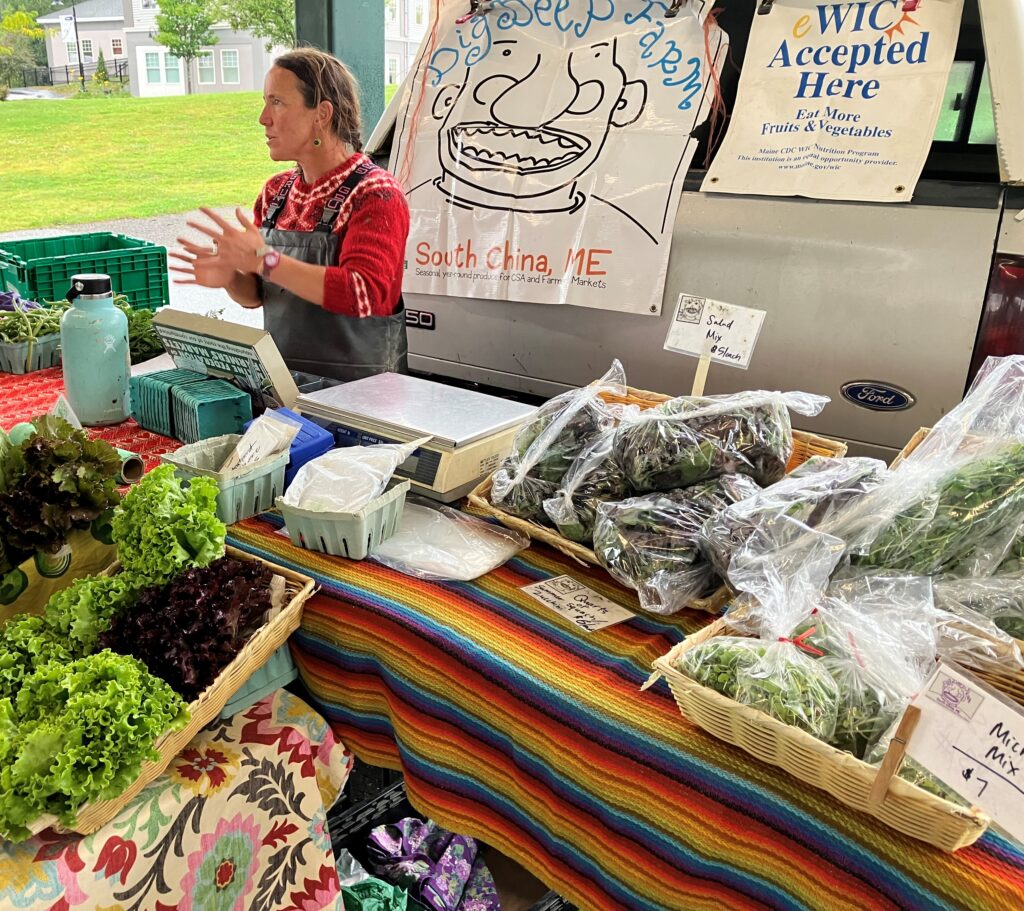
National Farmers’ Market Week, observed this week (August 2–8), celebrates the role farmers’ markets play in supporting local agriculture, expanding access to fresh food, and strengthening communities.
While the celebration lasts one week, Maine’s farmers’ markets deliver those benefits not only throughout the growing season, but through the Maine winter as well, with more than 30 winter farmers’ markets going strong.
With more than 80 farmers’ markets open rain or shine this time of year in Maine, there is likely one close to home for most of the state’s population. Whether you’re a longtime market regular or making your first visit, there’s never been a better time to experience the freshness, flavor, and community that make Maine’s farmers’ markets essential.
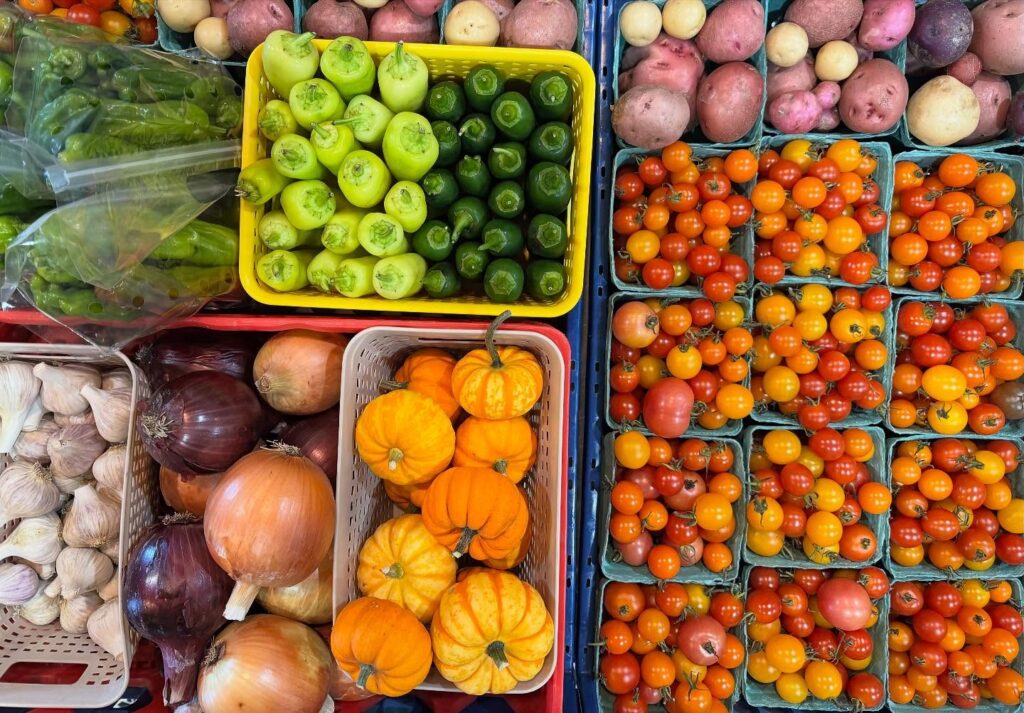
August and September mark peak harvest season for Maine growers, with the widest, freshest variety of local fruit and vegetables available during these months. Right now, there is everything from plums and new potatoes to heirloom tomatoes and wild blueberries on market tables across the state. In the coming weeks, sweet corn, eggplant, peppers, and more will join the seasonal abundance, making late summer and early fall one of the best times of year to shop directly from local farmers.
But it’s not just about the food, according to Jimmy DeBiasi, Executive Director of the Maine Federation of Farmers’ Markets (MFFM): “The community aspect is the other part of why farmers’ markets are so important in Maine. The market is an essential Third Space where people can come together and build healthy social bonds, no matter your background. We don’t have a lot of places like that left in our culture. All it takes is a shared appreciation of real, local food.”
Farmers’ markets are small business incubators and rural economic engines. Small producers can start their businesses, gain a full retail margin on the food they grow, and find invaluable mentorship from their fellow vendors by becoming members of a local farmers’ market.
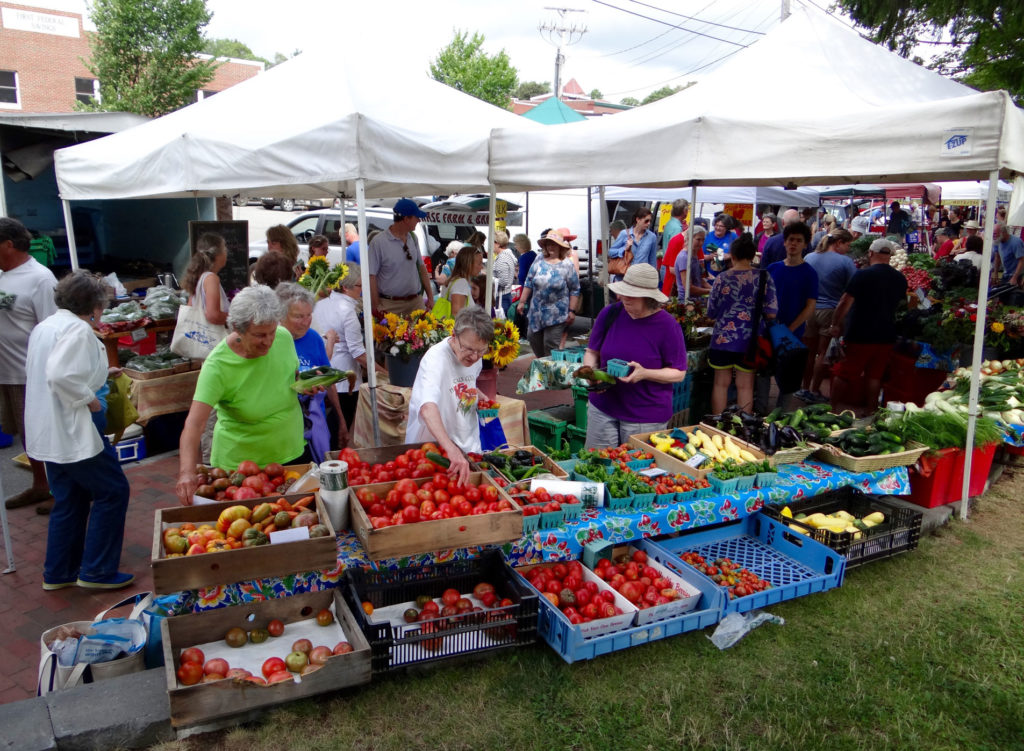
Farmers’ markets are small business incubators and rural economic engines. Small producers can start their businesses, gain a full retail margin on the food they grow, and find invaluable mentorship from their fellow vendors by becoming members of a local farmers’ market.
“Every dollar spent at a farmers’ market has an exponential effect in strengthening Maine’s economy,” says DeBiasi. “Buying directly from farmers keeps more food dollars circulating in local communities, supports independent farms, sustains rural employment, and maintains the productive agricultural landscapes we hold so dear.”